Tribal Gaming Operations Reach Record $46.2 Billion Revenue in Fiscal Year 2025

Tribal Gaming Operations Reach Record $46.2 Billion Revenue in Fiscal Year 2025
The National Indian Gaming Commission released figures showing that tribal gaming generated a record $46.2 billion in gross gaming revenue during fiscal year 2025, which marks a 5.3 percent increase from the previous year and continues a pattern of steady expansion across operations run by federally recognized tribes. This total comes from hundreds of facilities spread throughout the country, where revenue streams include slots, table games, and other offerings that support tribal economies in direct and measurable ways. Data indicates the growth builds on prior years without interruption, as tribes have maintained and scaled their gaming enterprises even amid shifting market conditions. Observers note that the 5.3 percent year-over-year rise reflects consistent demand and operational adjustments rather than isolated spikes, with the aggregate figure underscoring how these venues function as central economic engines for Native communities.Breakdown of Revenue Growth Patterns
Fiscal year 2025 figures reveal sustained performance across multiple regions, where individual tribal operations contribute varying shares yet combine to push the national total higher. The increase of roughly $2.3 billion over 2024 levels stems from expanded visitor traffic, new facility upgrades completed in prior cycles, and broader economic recovery that encouraged more spending on gaming activities.
Those who've tracked the industry for years point out that tribal gaming revenue has climbed through several distinct phases since the early 2000s, with each period of growth tied to regulatory stability and infrastructure investments. The current report places 2025 as the highest point yet recorded, outpacing earlier peaks while maintaining the same fundamental structure of tribally owned and operated sites.
Economic Role Across Native Communities
Revenue from these operations flows directly into tribal budgets that fund essential services, including health care, education programs, housing developments, and infrastructure projects on reservations. The $46.2 billion total translates into jobs for thousands of workers, both tribal members and non-members, who staff the facilities and support roles in surrounding areas.
Studies show that gaming proceeds often cover gaps left by limited federal funding, allowing tribes to invest in long-term initiatives that improve quality of life metrics over time. Data from the latest release highlights how the 5.3 percent uptick reinforces this cycle, providing additional resources without requiring external subsidies or loans.
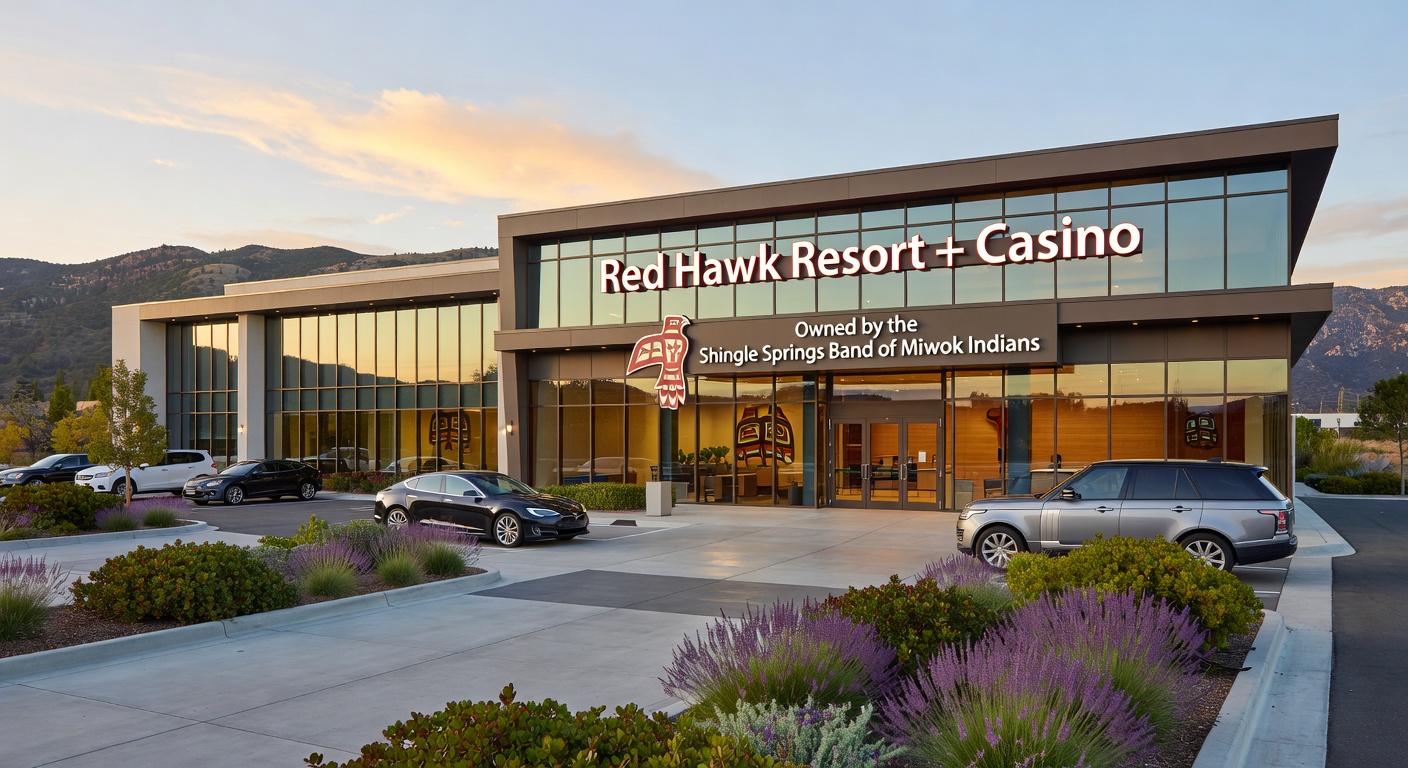
Researchers have documented cases where specific tribes used gaming income to launch diversification efforts, such as renewable energy projects or small business incubators, that extend benefits beyond the casino floor itself. The record 2025 numbers suggest these spillover effects will continue as facilities maintain or increase their output.
Context of the NIGC Data Release
The National Indian Gaming Commission compiles these statistics annually from mandatory reports submitted by tribal gaming operations, ensuring a standardized view of industry performance. The fiscal year 2025 data, which covers the period ending September 30, 2025, was made public in July 2026 and provides the most recent comprehensive snapshot available.
Those who follow regulatory announcements recognize that the NIGC report serves as the primary benchmark for measuring tribal gaming scale and trajectory. Figures reveal no single tribe dominates the total, instead showing distributed contributions from operations of different sizes that together reach the $46.2 billion mark.
What's notable is how the 5.3 percent growth aligns with broader trends in regulated gaming markets, where visitor numbers and per-visit spending have both risen modestly. The report does not break out exact causes for each percentage point, yet the aggregate result points to resilience in the sector.
Looking Ahead from the 2025 Baseline
With the latest numbers in hand, tribes and regulators now have updated benchmarks for planning future expansions or adjustments. The sustained upward movement through 2025 sets expectations for continued monitoring in subsequent fiscal periods, as operations adapt to changing player preferences and economic signals.
Conclusion
The National Indian Gaming Commission's release of the fiscal year 2025 gross gaming revenue data establishes $46.2 billion as the new high-water mark for tribal operations, driven by a 5.3 percent increase that reflects ongoing activity across hundreds of sites. This outcome reinforces the established connection between gaming revenue and economic activity in Native communities, where the funds support services and employment on a large scale. The report, accessible through the NIGC reports and publications section, supplies the factual foundation for understanding these developments without speculation about future outcomes.