Tracing Synchronization Challenges Between Provincial Oversight Bodies and International RNG Certification Bodies for Reel-Based Games
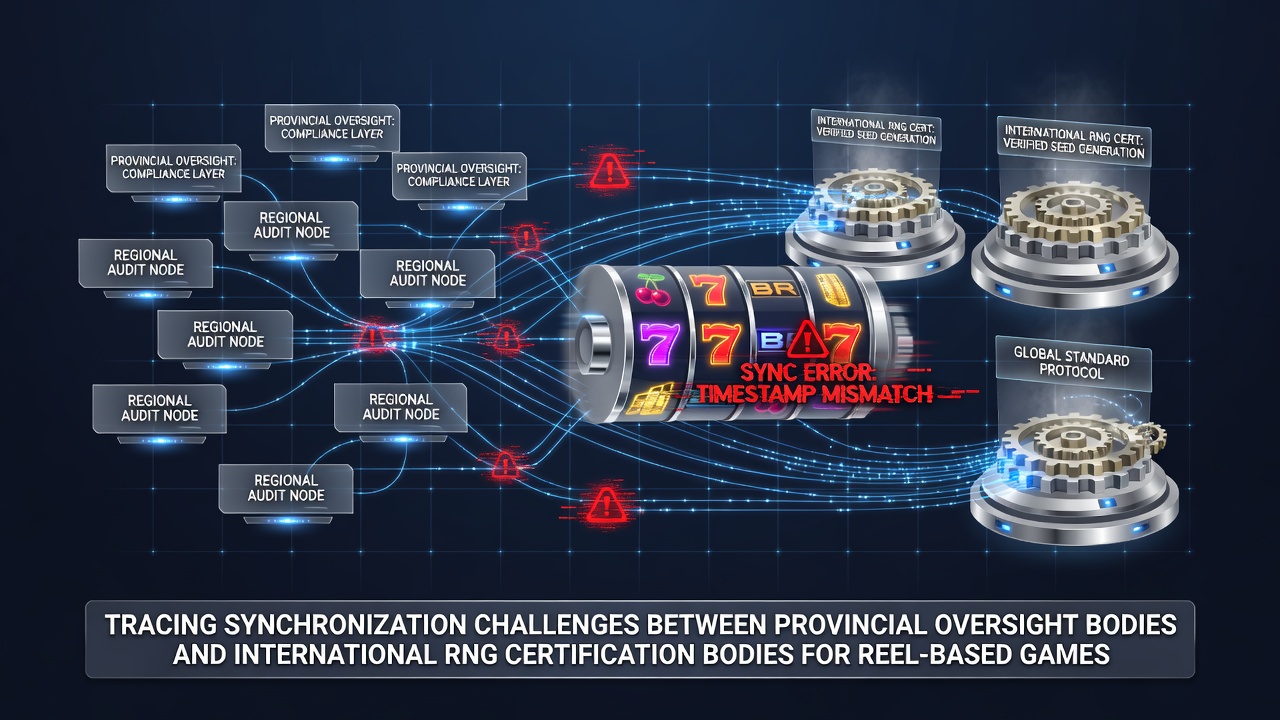
Tracing Synchronization Challenges Between Provincial Oversight Bodies and International RNG Certification Bodies for Reel-Based Games
Provincial oversight bodies maintain direct responsibility for licensing and compliance within their jurisdictions while international RNG certification bodies conduct technical evaluations of random number generators used in reel-based games such as slots and video reels. These two layers operate on separate timelines and standards, which creates coordination gaps that surface during game approvals, updates, and audits. Data from regulatory filings shows that approval cycles for new reel titles can extend when certification reports require additional verification steps at the provincial level.Core Differences in Mandates and Processes
Provincial bodies focus on local market integrity, player protection measures, and revenue reporting while international certifiers concentrate on algorithmic fairness, statistical randomness, and hardware-software integration. Observers note that a single reel game might receive certification from laboratories accredited under ISO 17025 standards yet still face additional provincial scrutiny over payout percentages or logging requirements. This separation means the same technical report can undergo reinterpretation when it moves from global labs to regional offices.
Technical and Administrative Friction Points
Reel-based games rely on continuous RNG streams that must remain consistent across software versions, yet updates to game logic or jackpot mechanics often trigger re-certification. Provincial teams then compare the new international report against existing local records, and mismatches in data formatting or test parameters can delay deployment by weeks or months. Researchers at gaming technology conferences have documented cases where encryption key management protocols approved internationally required supplementary documentation before provincial systems accepted them for live operation.
Another layer involves audit trails. International bodies supply detailed test logs covering millions of simulated spins, but provincial oversight frequently demands real-time monitoring feeds that align with their own reporting dashboards. When these feeds use different timestamp formats or data granularity, synchronization tools become necessary, adding cost and complexity for operators.
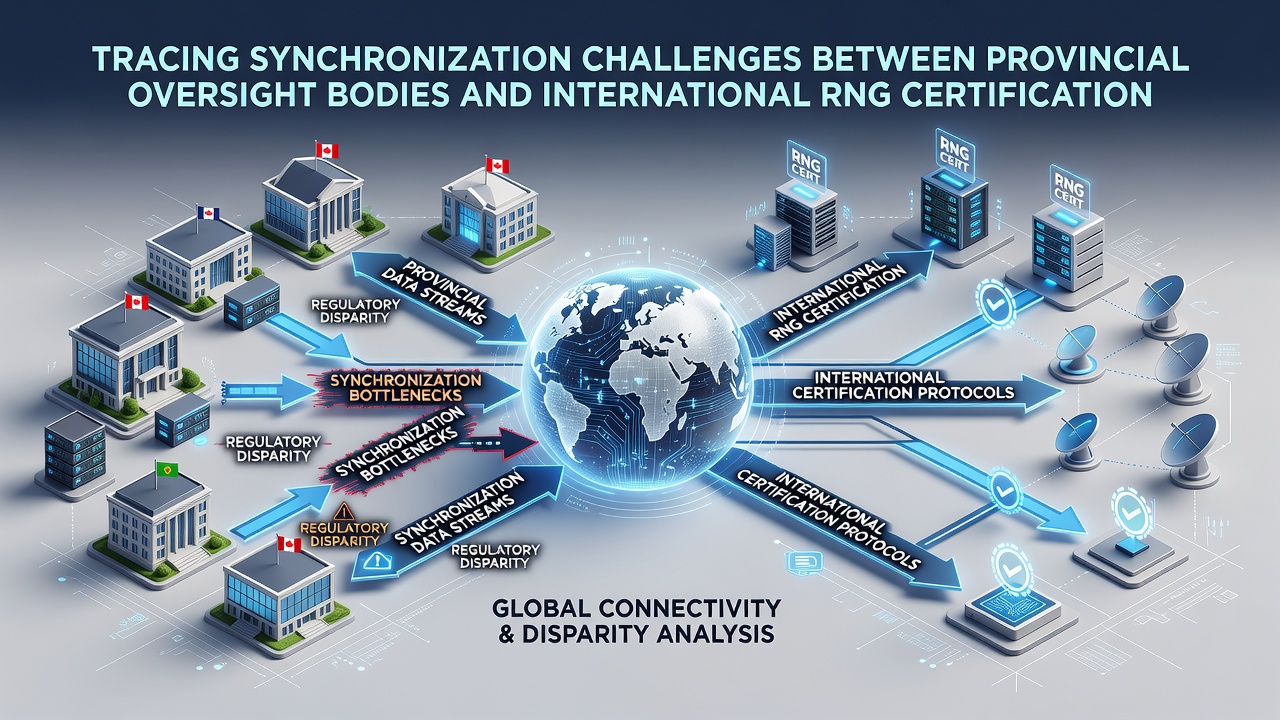
Regional Examples and Timeline Developments
In Ontario the Alcohol and Gaming Commission processes certification documents from multiple international labs, and operators report that alignment meetings occur quarterly to address recurring discrepancies. Similar patterns appear in other Canadian provinces where regulatory staff review RNG outputs against local mathematical models before granting final sign-off. Across the border in Australia, state-level authorities coordinate with the same global certification firms yet apply distinct jurisdictional filters on volatility disclosures and return-to-player calculations.
July 2026 brings scheduled joint workshops between select provincial regulators and major international testing organizations, aimed at standardizing data exchange formats for reel game submissions. Preliminary agendas indicate focus on API compatibility for audit reports and unified criteria for multi-jurisdictional titles. These sessions follow earlier pilot programs that tested shared verification portals in 2025, where participants identified persistent gaps in how progressive jackpot contributions are logged across borders.
Impact on Operators and Certification Workflows
Operators managing multi-province deployments must maintain parallel compliance teams because a game cleared in one jurisdiction may require fresh certification steps elsewhere even when the core RNG remains unchanged. Industry associations such as the Gaming Standards Association have published interoperability guidelines that some provinces reference during reviews, yet adoption rates vary. Figures from association reports reveal that roughly 30 percent of reel game submissions in 2025 encountered at least one synchronization delay exceeding 45 days.
International certification bodies continue to expand their scope by offering supplemental services such as remote monitoring dashboards tailored to provincial specifications. Those who've implemented these tools report smoother handoffs, although legacy systems in smaller regulatory offices still rely on manual file transfers that introduce human error risks.
Conclusion
Coordination between provincial oversight and international RNG certification remains an evolving process shaped by differing priorities, technical standards, and reporting expectations. Ongoing workshops scheduled for July 2026 and incremental adoption of shared data protocols suggest incremental improvements ahead, yet the fundamental division of labor between local enforcement and global technical validation continues to define the approval landscape for reel-based games.