Scotts Valley Band Closes Vallejo Preview Casino After Interior Department Denial

Scotts Valley Band Closes Vallejo Preview Casino After Interior Department Denial
The Scotts Valley Band of Pomo Indians has closed its temporary Preview Casino in Vallejo, California, following a final determination from the U.S. Department of the Interior that rejected Class III gaming eligibility for the tribe's trust land at the site, and this decision directly halted operations at the modular Class II facility that had opened only weeks earlier in late July 2026 while also stopping progress on the planned $700 million casino-resort project.
Background on the Vallejo Trust Land and Gaming Plans
The Scotts Valley Band acquired trust land in Vallejo as part of efforts to establish gaming operations, yet the parcel sits within ancestral territory historically associated with the Patwin people rather than the Pomo, and federal reviewers examined this geographic and historical mismatch when evaluating the tribe's application for expanded gaming rights, which led to the denial of authority for Class III games such as slot machines and table games that require state compacts under the Indian Gaming Regulatory Act.
Class II gaming, which includes bingo-style electronic machines, remained permissible at the Preview Casino during its brief operation, and the facility opened in late July 2026 as a modular structure designed to test market interest ahead of the larger resort development, yet the Interior Department's ruling removed the legal pathway for scaling up to the full project that had been projected at $700 million in total investment.
The Federal Determination and Its Immediate Effects
According to the final determination issued by the Department of the Interior, the tribe lacked sufficient historical connection to the Vallejo site to qualify for Class III gaming eligibility, and this finding triggered the closure of the Preview Casino shortly after its summer opening, while the tribe also suspended all further work on the comprehensive casino-resort plans that had been under development for several years.
Observers note that the denial centered on ancestral territory considerations, which federal agencies routinely review in Indian gaming matters, and the ruling effectively ended the tribe's ability to pursue the high-stakes gaming components that would have formed the core of the $700 million project, leaving the modular preview venue without a viable expansion route.
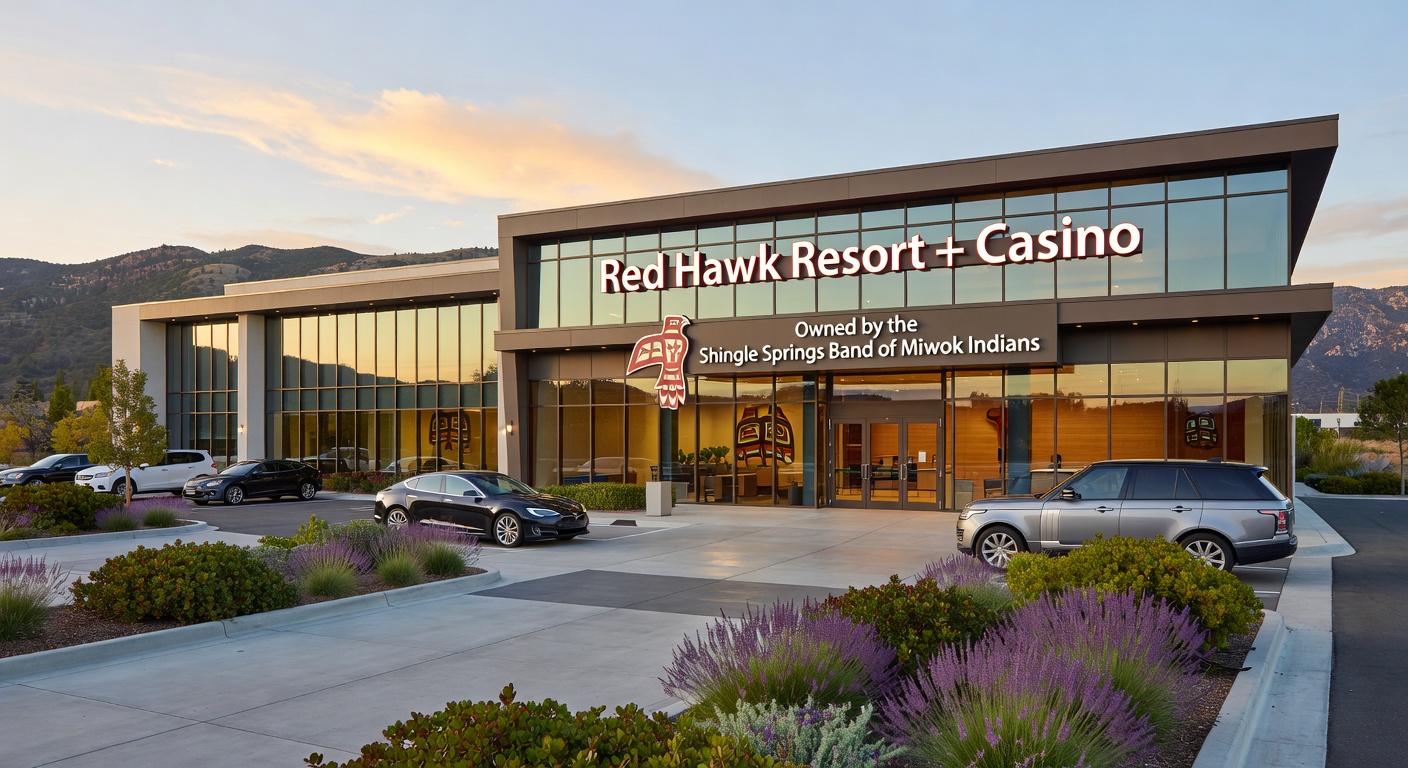
The closure occurred in the weeks following the Interior Department's announcement, and the Preview Casino had operated for less than a month before shutting down, which meant limited revenue generation and minimal long-term infrastructure commitments at the Vallejo location, yet the decision still carried significant implications for tribal economic development strategies that had relied on the larger resort concept.
Regulatory Context and Gaming Classifications
Federal law distinguishes between Class II and Class III gaming on Indian lands, with Class II covering bingo and related electronic aids that do not require state approval, while Class III encompasses casino-style games that demand tribal-state compacts, and teh Interior Department's review focused on whether the Vallejo trust land met the criteria for the higher tier of gaming activity, which it ultimately did not due to the ancestral territory issue.
Those who've studied similar cases know that historical connection requirements have blocked or redirected multiple tribal gaming proposals across California and other states, and the Scotts Valley Band's experience follows this established pattern where land acquisitions outside traditional homelands face heightened scrutiny during eligibility determinations, resulting in the closure of even temporary facilities like the Preview Casino when Class III pathways close.
Timeline of Events in 2026
The Preview Casino began operations in late July 2026 as a stopgap measure while the tribe awaited final word on its Class III application, and the Interior Department's denial arrived soon afterward, prompting the immediate shutdown and the abandonment of the $700 million resort blueprint that had included hotel, entertainment, and expanded gaming components, all of which depended on the rejected eligibility finding.
By August 2026 the modular structures stood empty, and tribal officials had confirmed that no alternative gaming operations would continue at the site without the federal approval that had been sought, which shifted attention to other potential land options or revised development strategies outside the Vallejo trust parcel.
Conclusion
The closure of the Scotts Valley Band of Pomo Indians' Preview Casino marks the end of a specific chapter in the tribe's gaming efforts at the Vallejo location, driven by the Department of the Interior's determination that the land did not qualify for Class III activities because of its position within Patwin ancestral territory, and the outcome leaves the $700 million resort project without its required foundation while the temporary facility that opened in late July 2026 now sits shuttered.