Mapping Regulatory Impacts on AI-Driven Fraud Detection in Cross-Border Digital Table Game Networks
Mapping Regulatory Impacts on AI-Driven Fraud Detection in Cross-Border Digital Table Game Networks
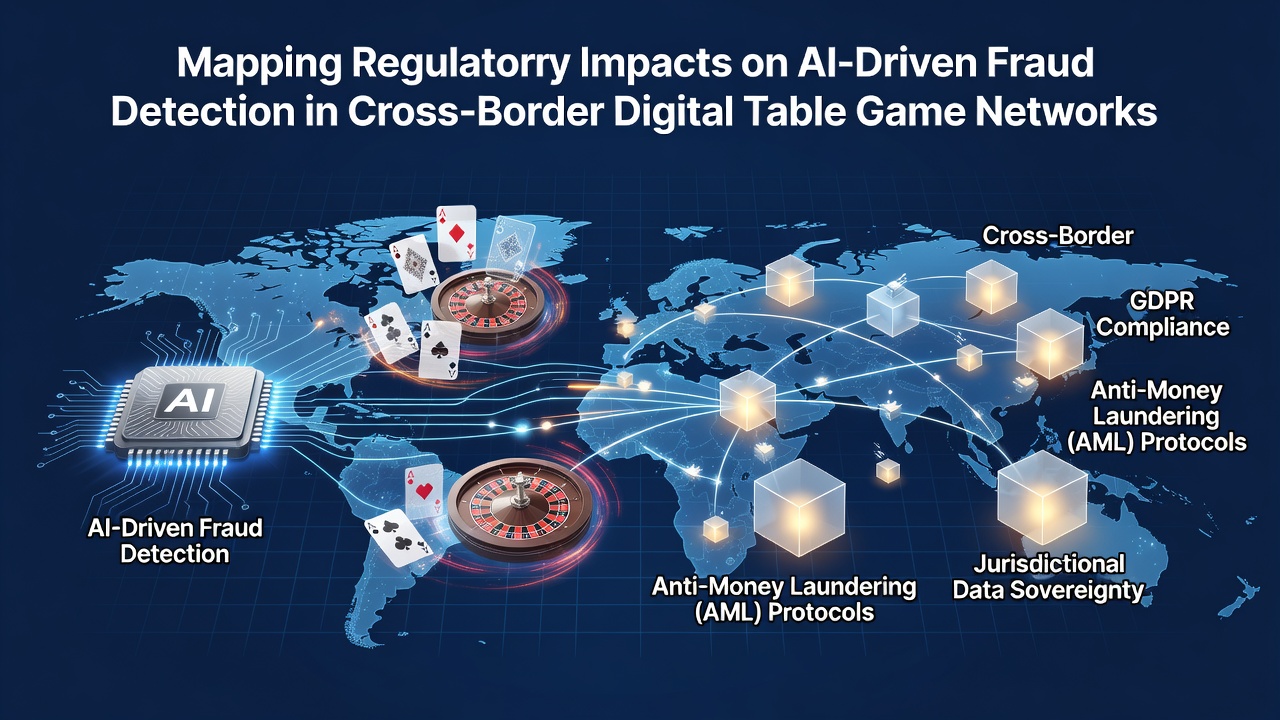
Cross-border digital table game networks operate under layers of regulatory requirements that directly shape how AI systems detect fraud in poker, baccarat, and roulette environments, and these rules continue to evolve as jurisdictions coordinate enforcement efforts. Data from multiple regulatory bodies shows that operators must adjust machine learning models to comply with varying standards on data sharing, transaction monitoring, and player verification while maintaining real-time fraud alerts across borders.
Regulatory Frameworks Across Key Jurisdictions
FinCEN guidelines in the United States require financial institutions and gaming operators to implement suspicious activity reporting systems that integrate with AI tools for identifying patterns in cross-border transfers, and these requirements have expanded to cover virtual table game platforms since 2023. Meanwhile the Malta Gaming Authority has issued directives on algorithmic transparency that force developers to document decision-making processes in fraud detection software used by European-licensed networks.
Canadian provincial regulators, including those in Ontario, mandate geolocation checks combined with AI-driven behavioral analysis to prevent unauthorized access, and this approach creates additional data points that systems must process without violating privacy statutes. Australian authorities through the Australian Communications and Media Authority have aligned similar rules with anti-money laundering protocols, requiring operators to map regulatory impacts onto AI training datasets before deployment.
AI Model Adaptations for Compliance
Operators adjust neural network architectures to incorporate jurisdiction-specific flags for high-risk transactions, and this process often involves retraining models on anonymized datasets that reflect local regulatory thresholds. Researchers at institutions studying digital gaming ecosystems have documented how these adaptations reduce false positives in fraud alerts while preserving detection rates for collusion patterns common in multi-jurisdictional table game sessions.
One study revealed that synchronization between AI systems and regulatory reporting timelines demands modular code structures, allowing platforms to toggle compliance modules based on player location without disrupting core detection logic. Data indicates that networks handling baccarat and poker traffic across borders achieve higher accuracy when models account for currency conversion rules embedded in different national frameworks.
Impacts on Table Game Specific Networks
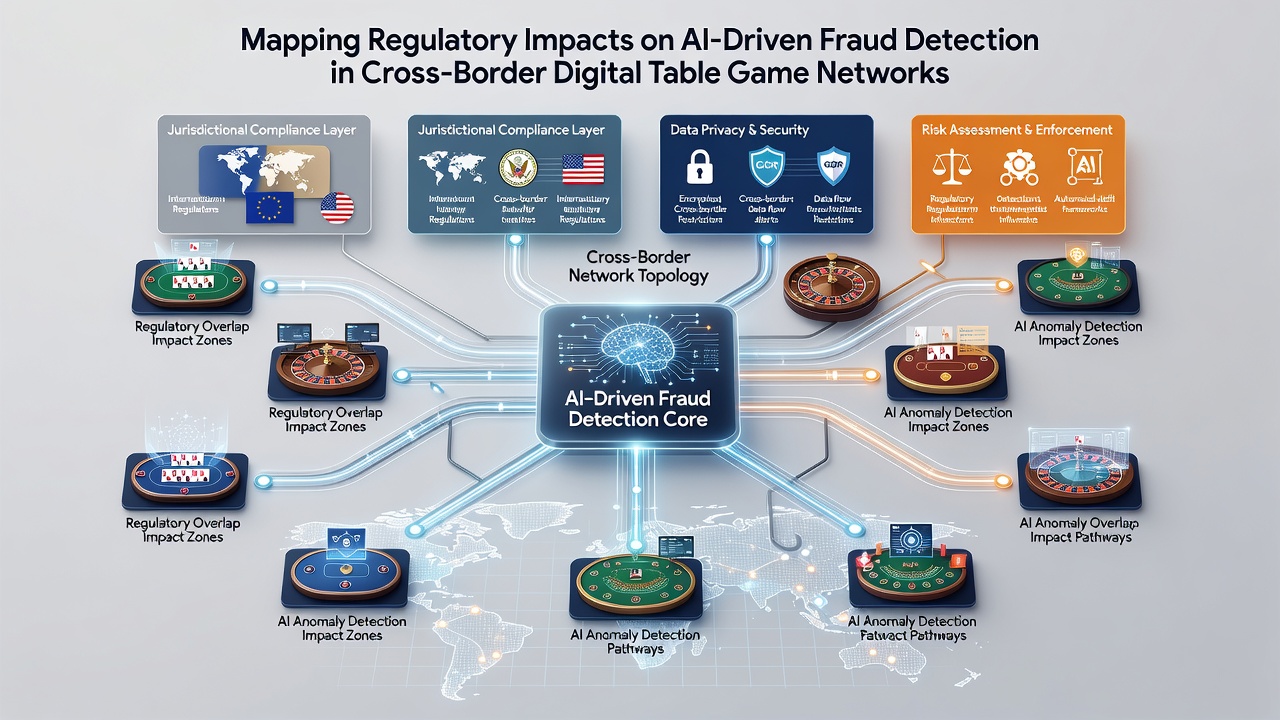
Digital baccarat networks face unique challenges because regulatory bodies often classify side bets and commission structures differently, forcing AI systems to recalibrate risk scoring for each market segment. Poker platforms encounter additional layers when tracking multi-table tournaments that span licensed and emerging jurisdictions, where data retention periods vary and affect model retraining cycles.
Evidence suggests that operators who map these regulatory variables early maintain smoother integration with live dealer feeds and statistical overlays, and this coordination helps prevent disruptions during peak traffic periods. June 2026 marks the scheduled implementation date for updated cross-border data exchange protocols in several European and North American markets, which will require further refinements to existing AI fraud frameworks.
Coordination Challenges and Technical Responses
Technical teams address latency issues that arise when AI models query multiple regulatory databases simultaneously, and solutions frequently involve edge computing nodes positioned near major server clusters. Industry reports show that these distributed architectures allow real-time updates to fraud detection parameters whenever a jurisdiction revises its rules on player fund segregation or bonus redemption tracking.
What's interesting is how biometric authentication layers already deployed in licensed networks provide supplementary signals that AI systems use to verify identities across borders, reducing reliance on slower manual reviews. Observers note that successful implementations combine these signals with transaction graphs to flag potential syndicates operating through proxy accounts.
Conclusion
Mapping regulatory impacts onto AI-driven fraud detection continues to define operational priorities for cross-border digital table game networks, and ongoing alignment between jurisdictions will shape the next generation of compliance tools. Figures from regulatory filings reveal steady investment in modular AI architectures capable of adapting to new rules without full system overhauls, ensuring operators can sustain detection performance as enforcement landscapes shift.