Analyzing the Implementation of Geofencing Technologies in State-Regulated Online Gambling Applications
Analyzing the Implementation of Geofencing Technologies in State-Regulated Online Gambling Applications
Understanding Geofencing in Regulated Digital Gambling
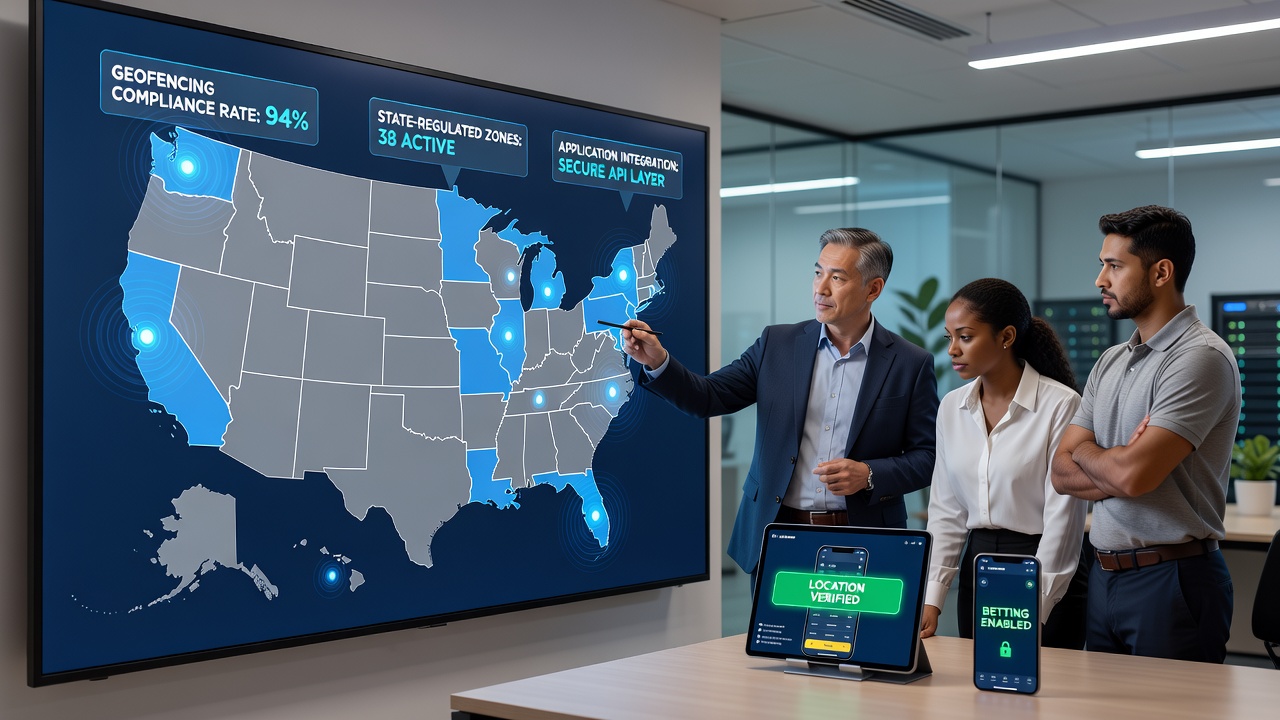
State-regulated online gambling applications rely on geofencing technologies to enforce jurisdictional boundaries and ensure users access services only from approved locations, and this approach combines GPS coordinates with IP address verification alongside Wi-Fi network data to create virtual perimeters around legal gaming zones. Researchers at various technology institutes have documented how these systems trigger access controls when a device crosses state lines, which prevents unauthorized play while allowing seamless operation inside permitted areas.
Developers integrate geofencing into mobile apps through software development kits that poll location services at regular intervals, and the process activates compliance checks before any wager processes, while operators maintain audit logs that record every boundary interaction for regulatory review.
Current Deployment Patterns Across U.S. Jurisdictions
Multiple states have adopted geofencing as a core component of their online gambling frameworks since the expansion of legalized markets, and data from industry reports shows that operators in states like New Jersey and Pennsylvania synchronize these tools with player account profiles to restrict sessions in real time. The New Jersey Division of Gaming Enforcement requires all licensed platforms to maintain location accuracy within 100 meters, which reduces instances of cross-border violations according to compliance filings submitted through 2025.
What's interesting is how smaller markets such as Michigan and West Virginia have layered additional verification methods including cellular tower triangulation on top of standard GPS, and this combination helps address urban signal interference that sometimes disrupts single-method systems. Observers note that by June 2026 several additional states plan to introduce updated geofencing protocols that incorporate satellite-based augmentation for improved precision in rural regions.
Technical Mechanisms and Accuracy Standards
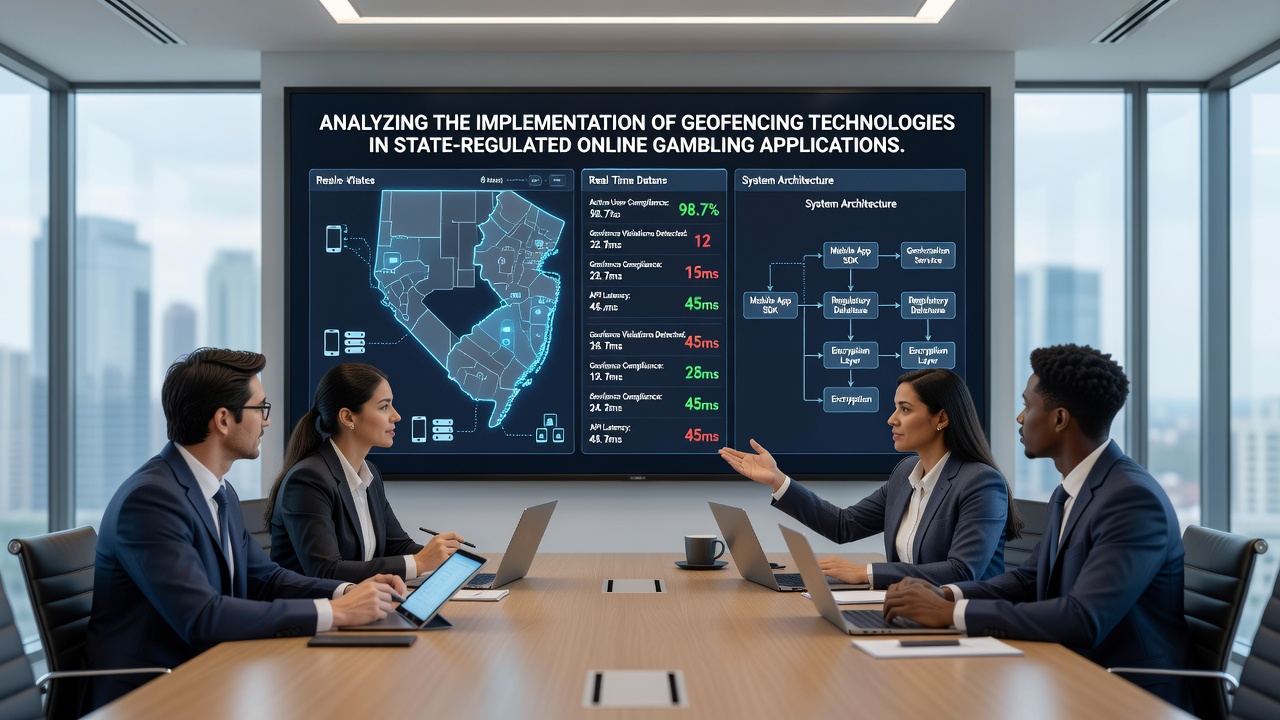
Geofencing setups in these applications use a multi-layered architecture where the client-side app communicates with backend servers that cross-reference location data against approved maps, and this setup employs fallback protocols when primary signals weaken such as during indoor use or adverse weather. Studies from university engineering departments indicate that hybrid systems achieve over 98 percent accuracy rates when combining at least three distinct location signals, which operators then validate through periodic third-party testing.
Those who've studied implementation details know that apps often require users to grant continuous location permissions, while background services monitor movement and issue warnings before sessions terminate near boundaries, and this proactive design minimizes abrupt disconnections that could frustrate players.
Regulatory Requirements and Compliance Frameworks
State gaming commissions mandate that geofencing solutions undergo annual audits by certified vendors, and figures from the National Council of Legislators from Gaming States reveal that non-compliance can result in license suspensions or daily fines reaching six figures. Australian regulatory bodies have shared similar standards through cross-border knowledge exchanges, which some U.S. operators reference when refining their own systems for multi-jurisdictional operations.
But here's the thing: regulators also require detailed incident reports whenever geofencing failures occur, and these documents feed into broader policy updates that refine boundary definitions based on real-world performance data collected from operators.
Integration Challenges and Mitigation Strategies
Operators face ongoing hurdles with device compatibility since older smartphones may lack advanced GPS capabilities, and this leads some platforms to implement server-side location confirmation as a backup measure. Research indicates that urban environments with tall buildings create signal multipath issues, whereas rural areas suffer from sparse tower coverage, so developers counter these problems with adaptive algorithms that adjust polling frequency based on detected conditions.
There's this case where experts found that partnerships with telecom providers improve overall reliability because they supply enhanced location feeds that supplement standard device sensors, and such collaborations have become standard practice among major licensed platforms operating across several states.
Future Developments Expected by Mid-2026
Industry forecasts point toward greater adoption of 5G-enabled geofencing that supports near-instantaneous location updates, and this advancement could allow for more granular control such as venue-specific restrictions inside large entertainment complexes. Canadian provincial regulators have piloted similar technologies in their iGaming frameworks, providing data points that U.S. states reference when planning their own upgrades scheduled around June 2026.
What's significant is how emerging standards from international gaming associations emphasize interoperability between different state systems, which would let users move between jurisdictions without repeated authentication cycles while still respecting each area's unique rules.
Conclusion
Geofencing technologies continue to evolve as essential tools for maintaining the integrity of state-regulated online gambling applications, and their implementation reflects a balance between technological capability and regulatory oversight that adapts to changing market conditions. Data shows steady improvements in accuracy and user experience as operators refine these systems through iterative testing and collaboration with external experts, which positions the sector for further expansion in coming years.