Alabama Gaming Bills Advance Through House Before Narrow Senate Defeat

Alabama Gaming Bills Advance Through House Before Narrow Senate Defeat
The Alabama legislature considered two companion measures this session that would have opened the door to a state lottery along with limited forms of casino gaming and sports betting, yet the package ultimately stalled after clearing one chamber by a comfortable margin and falling one vote short in the other.
House Bill 151 proposed a constitutional amendment that would authorize these new forms of gambling across the state, while House Bill 152 outlined the creation of an Alabama Gaming Commission to oversee licensing, regulation, and revenue collection if voters approved the amendment.
Legislative Path and Key Votes
Both measures moved through the House with sufficient support to reach the Senate floor, where lawmakers engaged in extended debate over revenue projections, regulatory structure, and the allocation of any new funds generated by expanded gaming; the Senate ultimately rejected the package by a margin of one vote, preventing further advancement during the regular session.
Governor Kay Ivey chose not to convene a special session that could have revived the legislation, which effectively postpones any statewide vote on the constitutional amendment and blocks the establishment of the proposed Gaming Commission for at least another full year.
Current Status of Gambling Options in Alabama
Alabama therefore continues without a state-run lottery, without commercial casino facilities, and without legalized sports betting, leaving existing tribal gaming operations as the primary legal venue for many forms of gambling within state borders.
The Poarch Band of Creek Indians operates the state's only tribal casinos under the Indian Gaming Regulatory Act, and any expansion of Class III gaming such as slot machines or table games at additional locations would require new tribal-state compacts negotiated between the tribe and state officials.
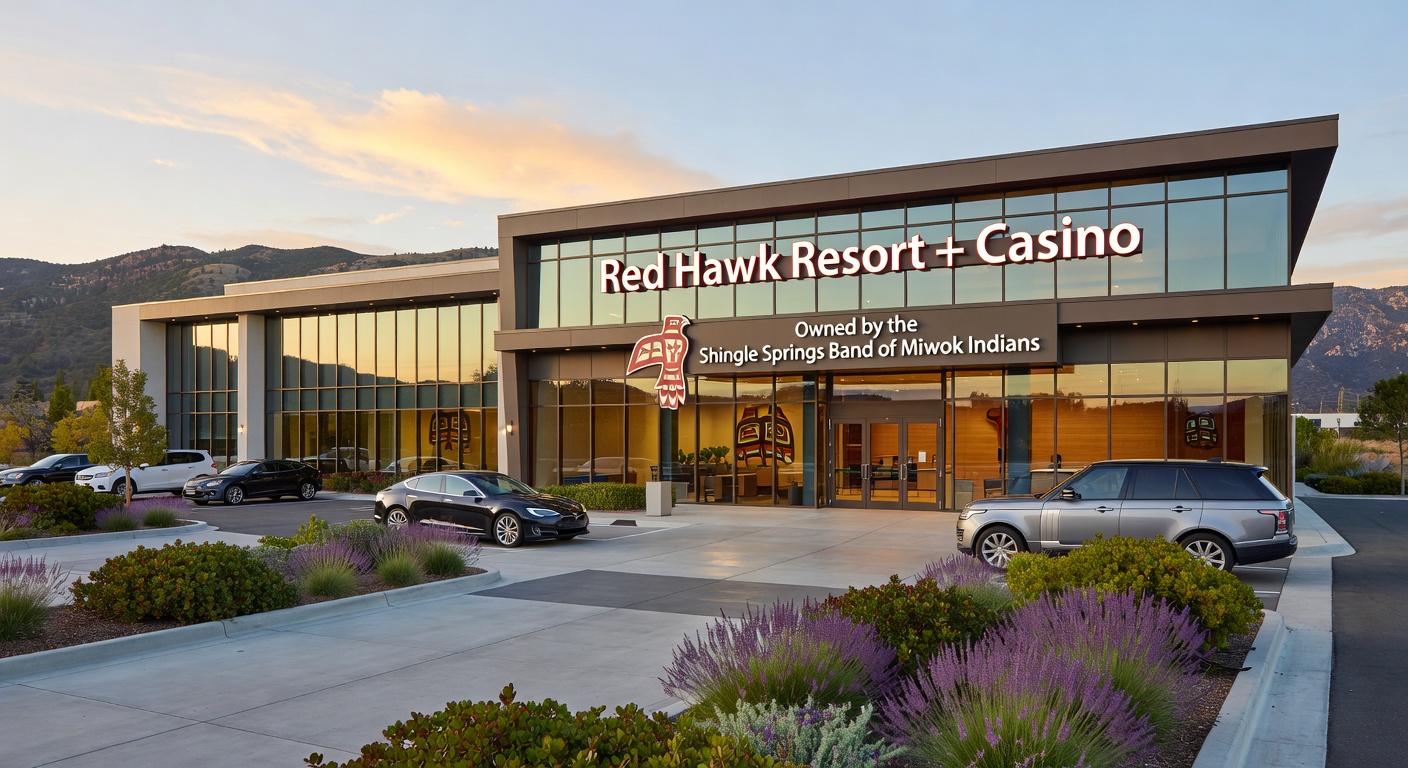
Observers note that the tribe has remained a central stakeholder in past discussions about potential compacts, and its position would likely shape any renewed negotiations should lawmakers revisit the issue in a future session.
Revenue and Regulatory Considerations
Proponents of the failed measures argued that a regulated framework could generate substantial tax revenue for education and infrastructure while establishing consumer protections and responsible gaming standards through the proposed commission, yet opponents raised concerns about the pace of expansion and the distribution of economic benefits.
Without an approved constitutional amendment, the Alabama Gaming Commission outlined in House Bill 152 cannot be formed, which means no state licensing process exists for lottery operations, commercial casinos, or sportsbooks at the present time.
Looking Ahead to Future Sessions
Legislators who supported the package have indicated they may reintroduce similar legislation when the next regular session convenes, although the requirement for a constitutional amendment means any new effort would again need to clear both chambers before reaching voters on a statewide ballot.
According to information from 500 Nations, the narrow Senate defeat marks the latest in a series of attempts to modernize Alabama's gaming laws, and the outcome leaves the Poarch Band of Creek Indians as the primary operator positioned to discuss future compact terms with state representatives.
Conclusion
The 2026 legislative session concluded without changes to Alabama's gaming landscape, as the combination of House approval followed by a one-vote Senate shortfall and the governor's decision against a special session closed the immediate path forward for a lottery, commercial casinos, or sports betting.
Any subsequent proposals will need to navigate the same constitutional and legislative hurdles while accounting for the central role that tribal-state negotiations will continue to play in determining where and how expanded gaming might eventually operate within teh state.